-
Auteur :
 Antoine C.
- Jun 24, 2026
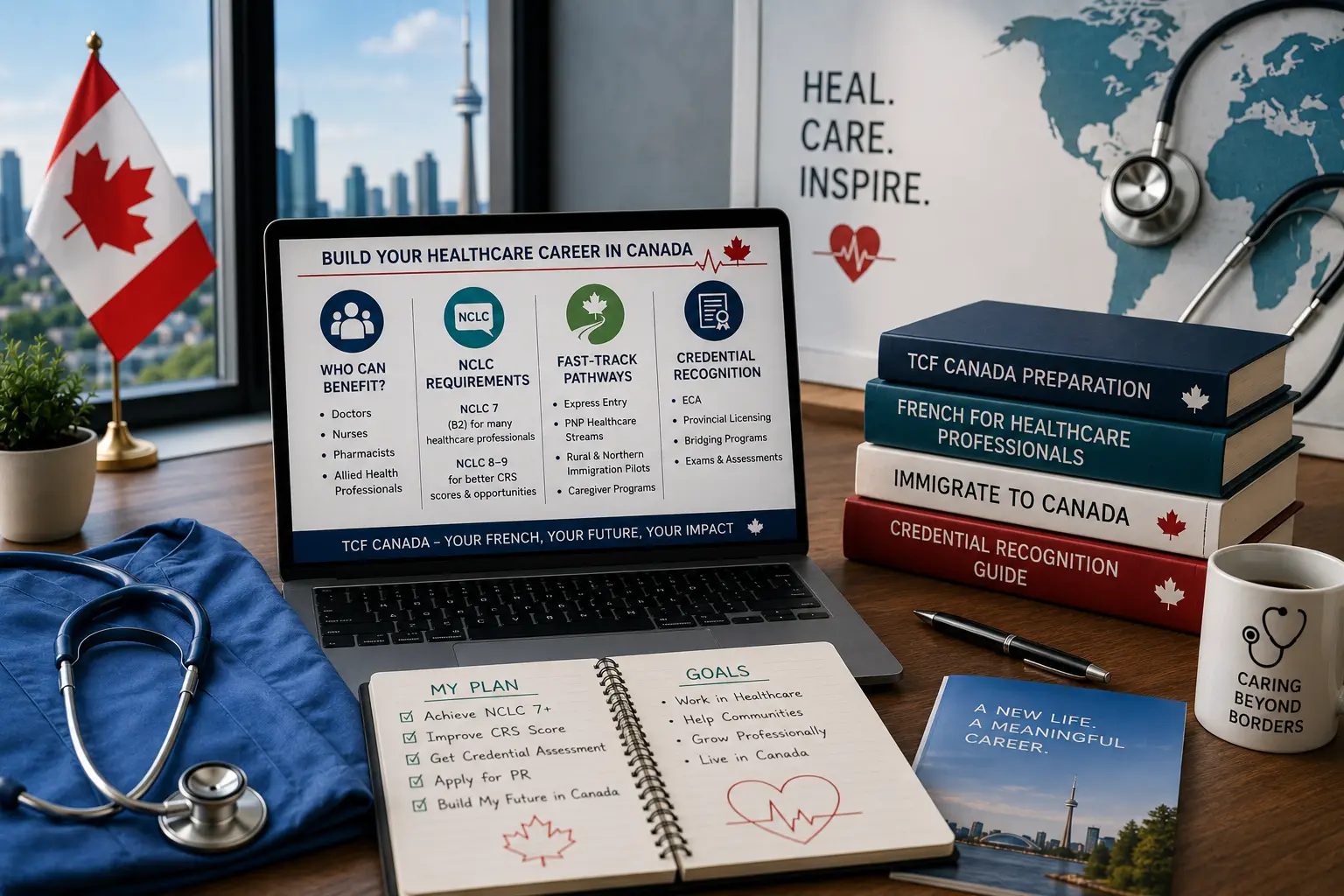
Canada's healthcare system is in structural crisis. The Association of Faculties of Medicine of Canada projects a shortage of 44,000 physicians by 2028. The Canadian Nurses Association estimates a deficit of 117,600 nurses within the same timeframe. Against this backdrop, healthcare professionals who speak French — or who can demonstrate French proficiency through the TCF Canada — occupy one of the most sought-after immigration profiles in 2026. This comprehensive guide is designed specifically for doctors, nurses, pharmacists, dentists and allied health professionals pursuing Canadian immigration through the francophone pathway.
Why Healthcare Professionals Have Exceptional TCF Canada Leverage in 2026
The healthcare professional's structural immigration advantage:
- Category-based draws (healthcare stream): IRCC conducts dedicated Express Entry draws for healthcare occupations — these draws clear at significantly lower CRS scores than general draws
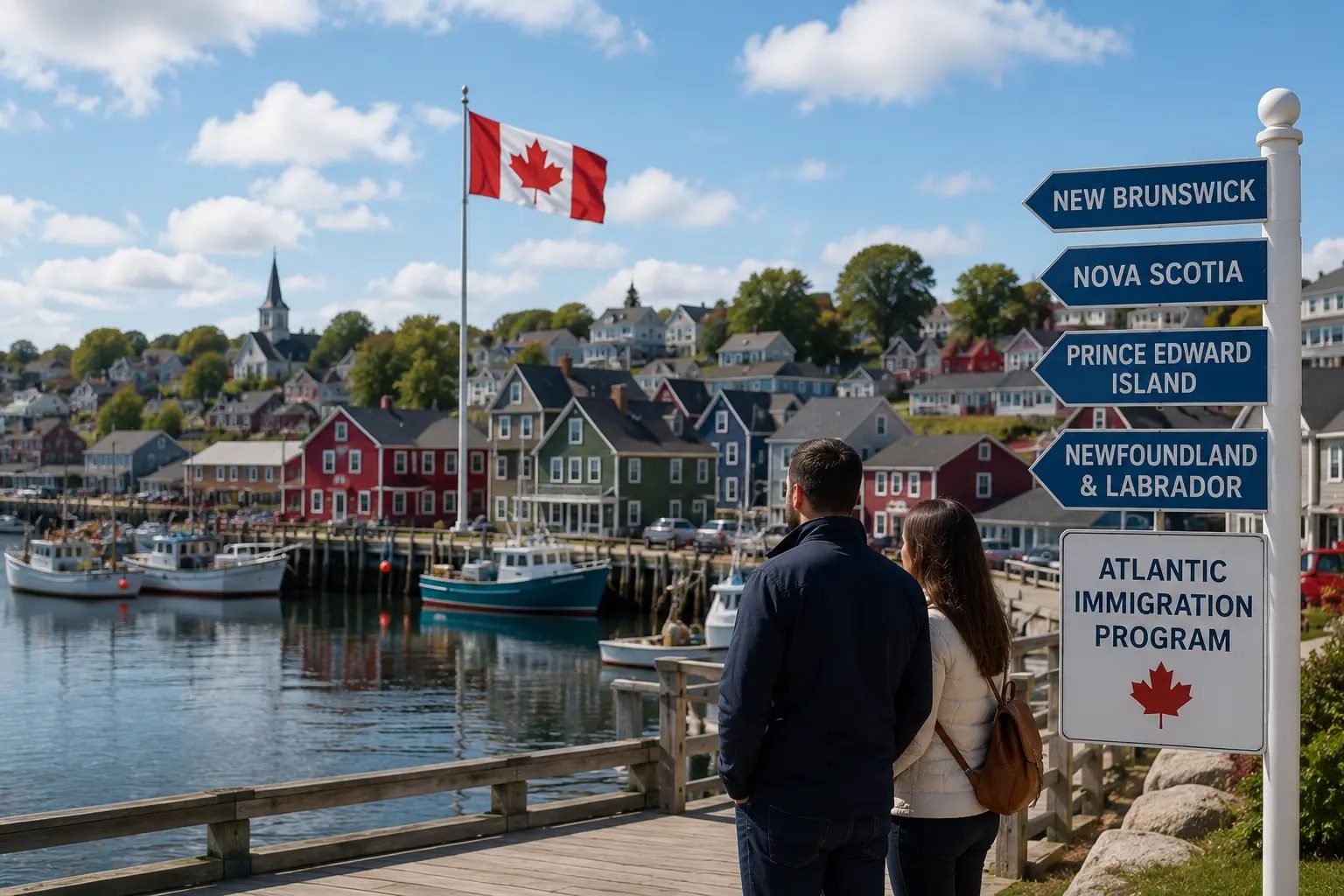
- Provincial recruitment programs: New Brunswick, Manitoba, Nova Scotia and Saskatchewan have active healthcare recruitment programs with dedicated French language streams
- Bridging programs: Federal and provincial bridging programs specifically designed for internationally trained healthcare professionals reduce the time to licensure
- Francophone community healthcare shortage: French-speaking healthcare professionals are in even shorter supply in francophone communities outside Quebec — creating premium recruitment pressure
- Salary premium: A francophone physician can command bilingual premiums in federal healthcare institutions and Quebec-adjacent facilities
NCLC Requirements by Healthcare Profession
| Profession | IRCC Minimum NCLC | Provincial Licensing Min. | Recommended for Clinical Practice |
|---|---|---|---|
| Physician (GP, specialist) | NCLC 7 (immigration) | NCLC 8-9 (most provinces) | NCLC 9 — patient safety requires near-native fluency |
| Registered Nurse (RN) | NCLC 7 | NCLC 7-8 (NCLEX-RN + French proficiency) | NCLC 8 minimum for francophone units |
| Pharmacist | NCLC 7 | NCLC 7-8 | NCLC 8 for community pharmacy in French |
| Dentist | NCLC 7 | NCLC 7-8 | NCLC 8+ for private practice in French |
| Physiotherapist | NCLC 7 | NCLC 7 | NCLC 7-8 sufficient for most francophone settings |
| Medical laboratory technologist | NCLC 5 | NCLC 6-7 | NCLC 7 for full professional integration |
| Personal support worker / Care aide | NCLC 5 | NCLC 5-6 | NCLC 6 sufficient for most long-term care settings |
Critical distinction: immigration NCLC vs clinical practice NCLC: The NCLC required to obtain your Express Entry ITA is the immigration minimum. The level required to obtain your provincial healthcare license and practice safely with French-speaking patients is often one to two levels higher. Plan your TCF Canada target accordingly — aim for clinical practice requirements, not just the immigration threshold.
Healthcare-Specific French Vocabulary for TCF Canada Tasks
TCF Canada tasks occasionally reference health and social policy themes. For healthcare professionals, these topics are familiar in content but require specific formal French vocabulary.
Essential healthcare-adjacent vocabulary for TCF Canada tasks:
- Système de santé universel (universal healthcare system) — universal Canadian context
- Liste d'attente chirurgicale (surgical waiting list) — frequent debate topic in TCF Canada
- Médecin de famille (family doctor/GP) — Quebec term, not "médecin généraliste"
- CLSC (Centre local de services communautaires): Quebec's community health centers — key institution in Quebec healthcare topics
- RAMQ (Régie de l'assurance maladie du Québec): Quebec's public health insurance — referenced in social policy TCF tasks
- Infirmière praticienne spécialisée (IPS): Nurse practitioner — growing role in French Canadian healthcare
- Soins palliatifs / soins de fin de vie: Palliative care — ethically complex topic appearing in advanced TCF Canada tasks
The Physician's Pathway: From TCF Canada to Practice in Canada
The physician immigration pathway is complex and multi-staged. The TCF Canada is typically the first formal step in a process that can take 3-5 years for full independent practice — but the immigration status (permanent residence) can be secured within 12-18 months of a successful TCF Canada exam.
| Stage | Process | Timeline | French Requirement |
|---|---|---|---|
| 1 | TCF Canada exam | 3-6 months preparation | NCLC 8-9 recommended |
| 2 | Express Entry profile + WES evaluation | 2-4 months | NCLC score in profile |
| 3 | Invitation to Apply (ITA) — francophone draw | 3-12 months after submission | Valid TCF Canada score |
| 4 | Permanent Residence granted | 6-12 months after ITA | Valid TCF Canada score required throughout |
| 5 | MCCQE Part 1 (medical exam) | 1-2 years after landing | Exam now available in French in most provinces |
| 6 | Residency matching (CaRMS) | 1-3 years after MCCQE1 | French fluency crucial for Quebec residency programs |
| 7 | Full independent practice | 3-5 years after arrival | Clinical French at NCLC 10+ level required |
"General practitioner from Casablanca. I trained in French at the Faculté de Médecine de Casablanca — excellent academic French. My TCF Canada challenge was the Quebec accent in listening and the oral recording format (very different from conversations with patients). Eight weeks of targeted preparation: OHdio every morning, 2 recorded oral tasks every evening. Result: NCLC 9 listening, NCLC 8 expression. Now completing my medical equivalency in Quebec City. The TCF Canada was the least difficult step of the process — the MCCQE is far harder." — Dr. Nadia, 36, Physician, Quebec City QC
The Nurse Pathway: Canada's Most Accessible Healthcare Immigration Route
Registered nurses represent the highest-volume healthcare immigration category and the most straightforward credential recognition pathway. The combination of the global nursing shortage, Canada's aging population and the francophone nursing shortage creates exceptional conditions for French-speaking nurses in 2026.
Why TCF Canada + nursing is the fastest healthcare immigration pathway:
- NCLC 7 satisfies both the immigration minimum AND most provincial nursing licensing requirements
- NCLEX-RN (US nursing exam) is increasingly accepted by Canadian provincial colleges — eliminating the need for additional Canadian licensing exams in many provinces
- Healthcare category draws specifically target nurses — CRS thresholds significantly lower than general draws
- New Brunswick, Manitoba and PEI have specific francophone nurse recruitment programs with employer-linked immigration pathways
- Bridging programs (HARP in Ontario, Nursing Community Assessment Service) reduce licensing wait times to 6-12 months
For the comprehensive TCF Canada guide specifically for nurses including provincial licensing details, read TCF Canada for Nurses 2026 (companion article). For the priority employment sector analysis covering healthcare demand across provinces, see TCF Canada and Priority Employment Sectors 2026. For the category-based draw analysis specific to healthcare draws, read IRCC Category-Based Draws 2026. The diploma equivalency process for healthcare credentials is covered at TCF Canada and Diploma Equivalency 2026. For the French-language guide covering healthcare professional immigration from North Africa, read TCF Canada et Secteurs d'Emploi Prioritaires 2026. After obtaining your TCF Canada results, the 90-day action plan is at After Your TCF Canada Results: 90 Critical Days. The French companion at Après les Résultats TCF Canada : Les 90 Jours Décisifs covers the same steps in French. For the strategic overview of francophone mobility programs that can accelerate your PR process, see Francophone Mobility Programs 2026.
Key Provincial Healthcare Recruitment Programs for Francophone Professionals
| Province | Program | Target Professions | NCLC Required | Special Features |
|---|---|---|---|---|
| New Brunswick | NB Francophone Healthcare Stream | Nurses, PCWs, allied health | NCLC 6-7 | Employer-connected — job offer facilitated |
| Manitoba | MPNP Francophone Healthcare | Nurses, physicians, pharmacists | NCLC 6 | Critical shortage — fast processing |
| Nova Scotia | NSNP Healthcare | All healthcare | NCLC 7 | Acadian community — French preference |
| Ontario | OINP Healthcare Workers | Nurses, PSWs | NCLC 7 | Largest healthcare system in Canada |
| Quebec | CRSSS + MIFI Santé | All healthcare | NCLC 8 (TCF Québec also required) | Both TCF Canada + TCF Québec needed |




0 Commentaires
aucun commentaire
Soyez le premier a partager votre avis !