
-
Auteur :
 TCF Canada
- Jul 13, 2026
One of the most persistent planning failures in francophone immigration to Canada is arriving with an inadequate financial buffer — based on outdated information, unrealistic assumptions or a simple failure to research. The cost of living in Canada has risen significantly since 2020, and the gap between the cheapest and most expensive francophone destinations is wider than ever. This comprehensive 2026 guide gives you real, actionable numbers for housing, food, transportation, healthcare and childcare across every major francophone immigrant destination.
The Big Picture: Where Francophones Actually Live in Canada
Primary francophone immigrant destinations and their cost profile:
- Montreal (Quebec): Most affordable major city + largest French-speaking job market + highest French-language services quality = most popular choice, and for good reason
- Ottawa-Gatineau (Ontario-Quebec): Higher cost than Montreal but higher salaries (federal government premium) and uniquely bilingual professional environment
- Moncton (New Brunswick): Lowest housing costs of any major francophone city + strong Acadian cultural identity + active immigrant recruitment = best value-to-quality ratio
- Quebec City (Quebec): Lower cost than Montreal, stronger French culture, but smaller immigrant community and fewer international professional connections
- Winnipeg (Manitoba): Affordable prairie city with established francophone Métis community in Saint-Boniface
Housing Costs 2026: The Real Numbers
| City | 1 BR Apartment (rent/month) | 2 BR Apartment (rent/month) | 3 BR House (purchase) | Housing Cost Index |
|---|---|---|---|---|
| Montreal | CAD $1,400–1,900 | CAD $1,900–2,600 | CAD $450,000–700,000 | Moderate |
| Ottawa | CAD $1,700–2,300 | CAD $2,300–3,200 | CAD $620,000–900,000 | High |
| Quebec City | CAD $1,100–1,600 | CAD $1,500–2,200 | CAD $380,000–560,000 | Low-Moderate |
| Moncton | CAD $1,000–1,400 | CAD $1,400–1,900 | CAD $340,000–480,000 | Low |
| Fredericton | CAD $900–1,300 | CAD $1,300–1,800 | CAD $320,000–450,000 | Very Low |
| Winnipeg | CAD $1,100–1,500 | CAD $1,500–2,000 | CAD $380,000–520,000 | Low-Moderate |
| Edmonton | CAD $1,200–1,700 | CAD $1,700–2,300 | CAD $420,000–580,000 | Moderate |
Monthly Living Budget for a Family of Four: By City
| Budget Item | Montreal | Ottawa | Moncton |
|---|---|---|---|
| Rent (3 BR) | CAD $2,200 | CAD $3,000 | CAD $1,700 |
| Groceries | CAD $900–1,200 | CAD $950–1,250 | CAD $850–1,100 |
| Transportation (no car) | CAD $180 (STM pass ×2) | CAD $190 (OC Transpo ×2) | CAD $300 (car required) |
| Childcare (2 children, QC) | CAD $20–40/day total (subsidized) | CAD $1,200–1,800/month | CAD $800–1,400/month |
| Utilities (heat, electricity, internet) | CAD $250–350 | CAD $300–400 | CAD $280–380 |
| Health insurance (provincial) | CAD $0 (RAMQ free) | CAD $0 (OHIP free) | CAD $0 (NB free) |
| Total (estimate) | CAD $3,750–4,300 | CAD $5,700–6,800 | CAD $3,930–4,880 |
Quebec's childcare advantage — the single biggest family budget differential:
Quebec's provincial CPE (Centre de la Petite Enfance) system subsidizes childcare for all children at approximately CAD $10–15/day per child — regardless of family income. A family with 2 children in subsidized childcare pays approximately CAD $400-600/month in Quebec vs. CAD $2,400-3,600/month in Ontario or New Brunswick. This single factor can change a family's monthly budget by CAD $2,000+ in Quebec's favor, which significantly offsets Montreal's higher rents compared to Moncton or Ottawa.
Income Expectations: What Francophone Professionals Actually Earn
| Profession | Montreal (CAD/year) | Ottawa (CAD/year) | Moncton (CAD/year) |
|---|---|---|---|
| Software Engineer (Senior) | $100,000–145,000 | $110,000–160,000 | $80,000–115,000 |
| Registered Nurse | $70,000–95,000 | $75,000–100,000 | $65,000–88,000 |
| Civil Engineer | $75,000–110,000 | $80,000–120,000 | $68,000–100,000 |
| Secondary School Teacher | $50,000–90,000 | $55,000–95,000 | $50,000–85,000 |
| Accountant (CPA) | $65,000–110,000 | $70,000–120,000 | $60,000–95,000 |
| Electrician (Journeyman) | $65,000–90,000 | $70,000–95,000 | $58,000–82,000 |
IRCC Proof of Settlement Funds: The Minimum You Must Show
Minimum settlement funds required by IRCC (2026 figures — verify at canada.ca):
- 1 person: CAD $14,690
- 2 persons: CAD $18,288
- 3 persons: CAD $22,483
- 4 persons: CAD $27,297
- 5 persons: CAD $30,690
- Important: These are minimums required to prove you can support yourself temporarily. In practice, financial advisors recommend having 6-12 months of living expenses available before immigrating — for a family of 4 in Montreal, that means CAD $25,000-50,000 in accessible savings.
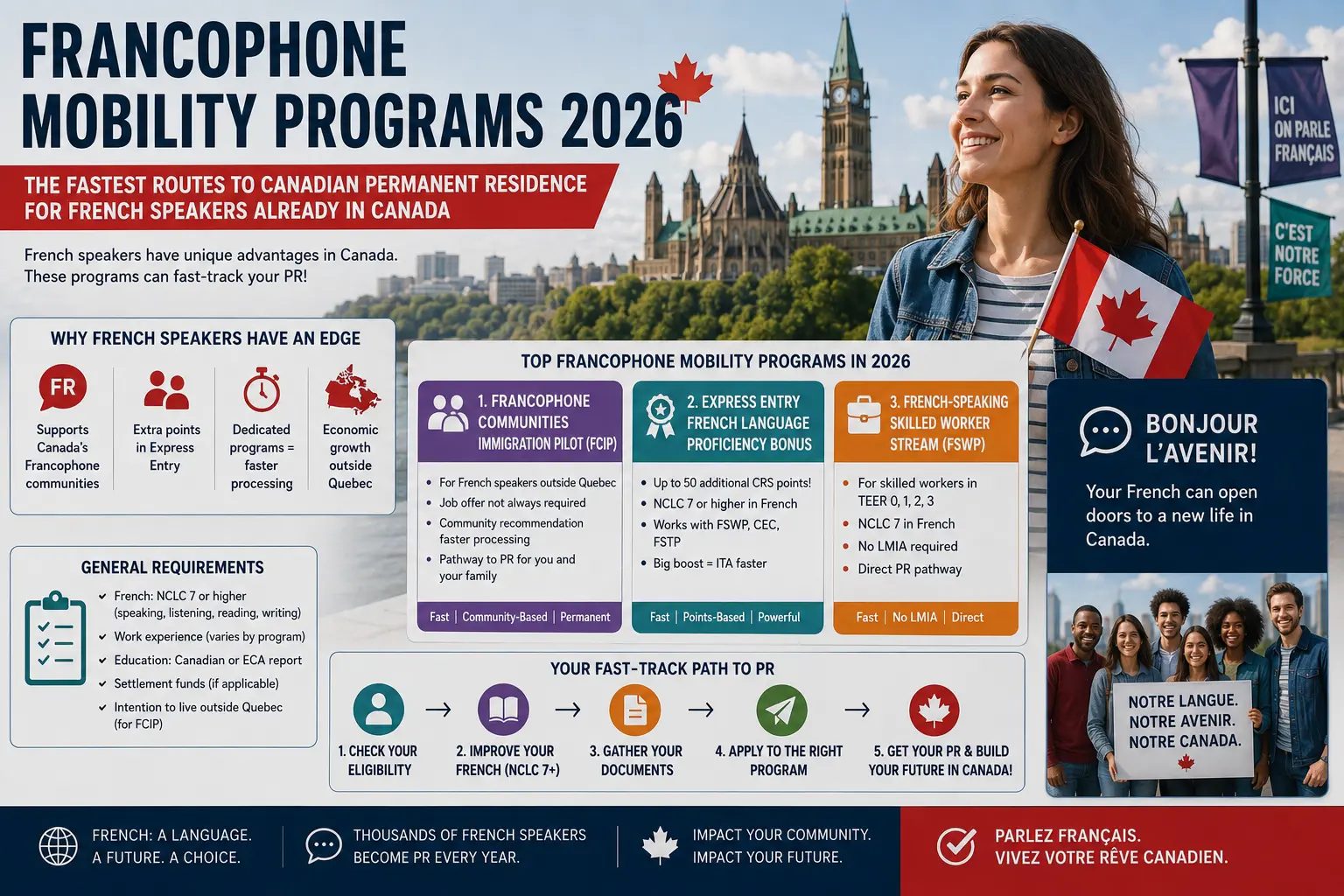
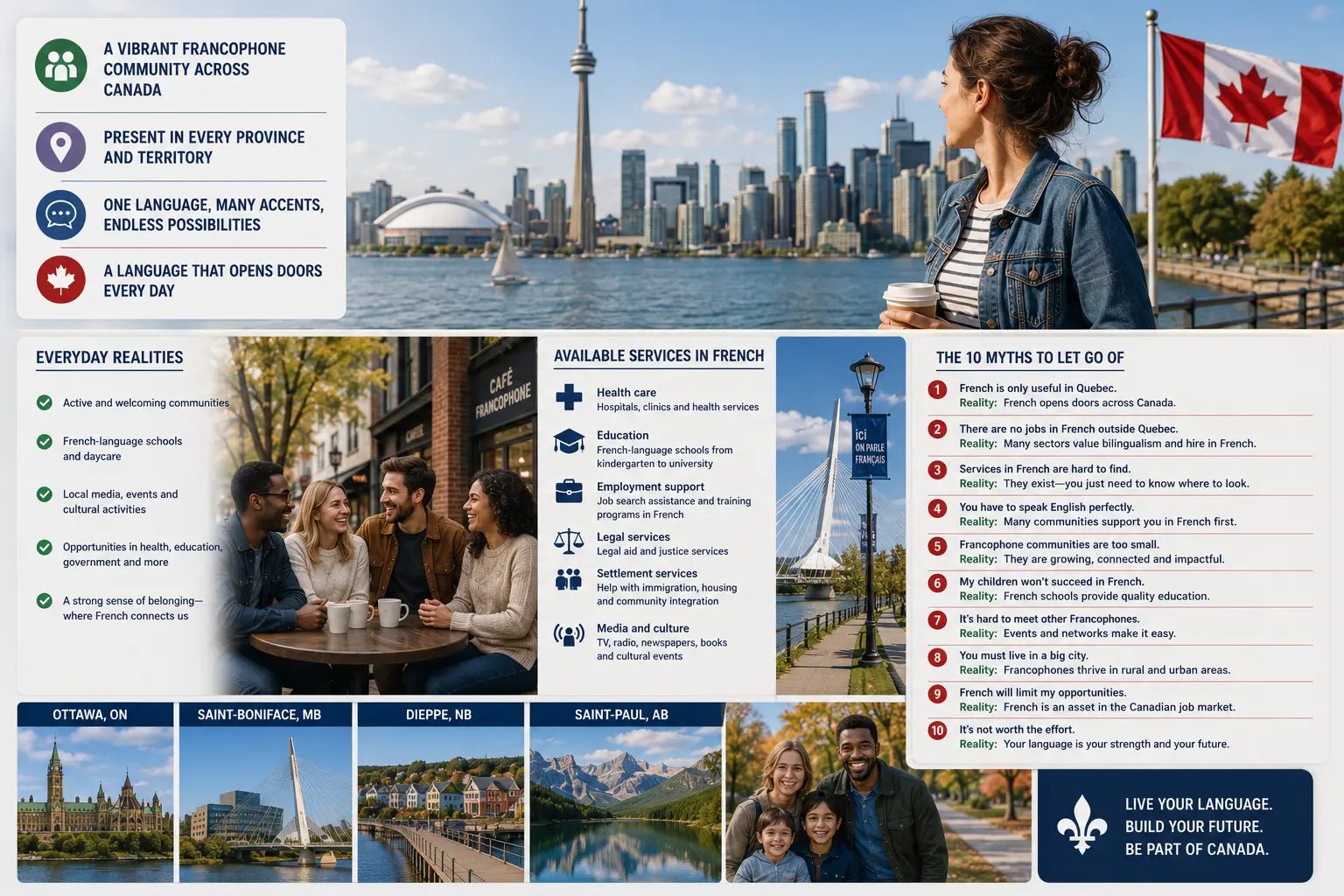
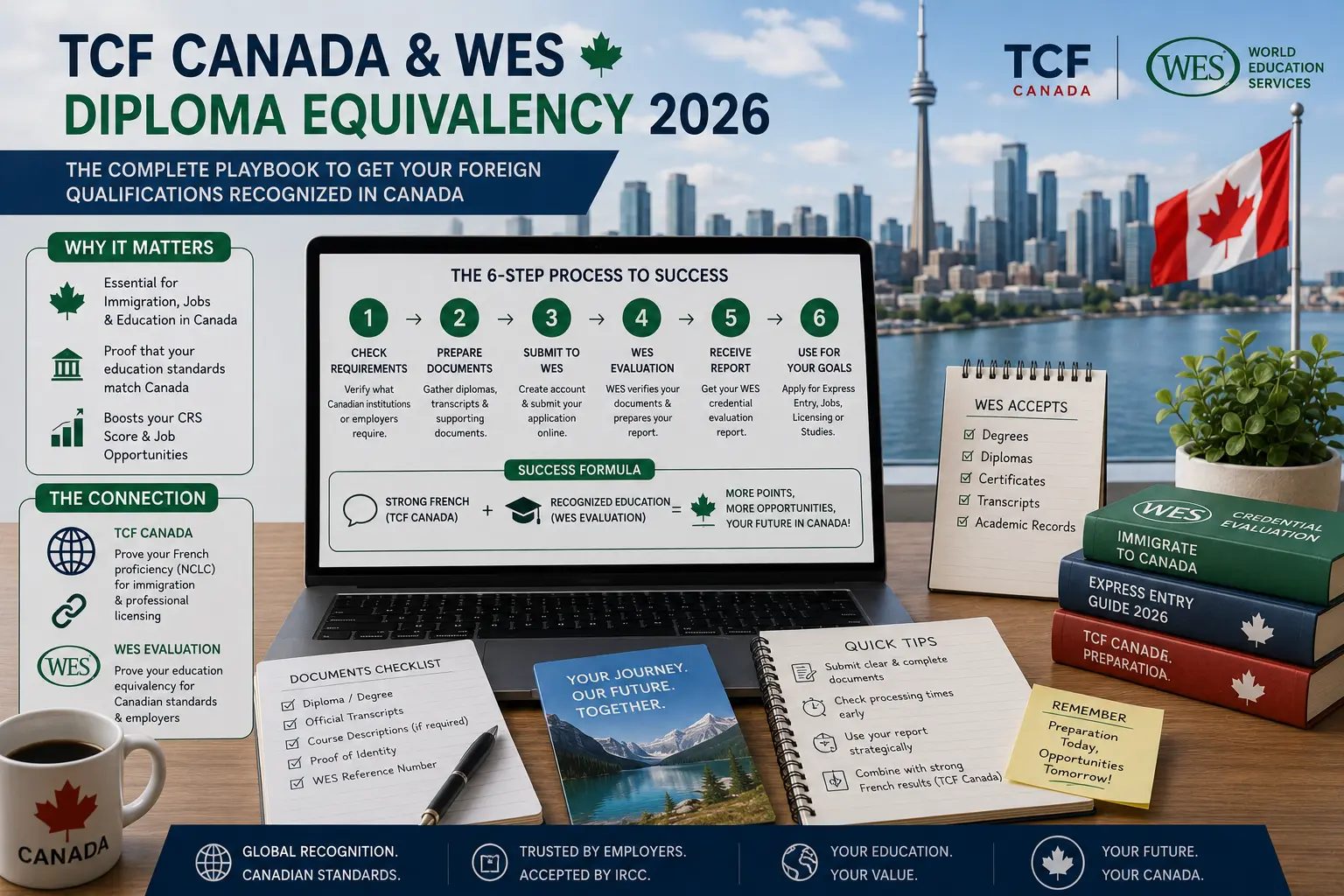
For the complete cost of living guide across all francophone provinces, read Cost of Living in Francophone Canadian Provinces 2026. For understanding how francophone provincial destinations connect to TCF Canada and PNP pathways, see TCF Canada and New Provincial Pathways 2026. The francophone life outside Quebec cultural guide is at Francophone Life Outside Quebec 2026. For IRCC's official settlement funds requirements, visit canada.ca — Proof of Funds for Express Entry. The French cost of living guide is at Coût de Vie dans les Provinces Francophones du Canada 2026. For the 90-day post-TCF plan that includes financial preparation steps, see After Your TCF Canada Results: 90 Critical Days. For salary expectations in Canadian tech specifically, the IT professionals guide is at our companion article. For the Atlantic provinces cost advantage specifically, see the Atlantic Immigration Program guide. For maintaining your French level after arrival (protecting your TCF Canada investment), see Maintaining and Improving French After Immigration. The francophone mobility programs that can provide income before PR is granted are covered at Francophone Mobility Programs 2026.


 TCF Canada Hub
0 Commentaires
aucun commentaire
Soyez le premier a partager votre avis !